ABOUT US
The Story
The Story
As the primary caregiver for her mother living with vascular dementia, Kisha experienced firsthand the emotional, physical, financial, and social realities that caregiving can bring. She soon realized that her family's story was not unique. Millions of caregivers across the United States face similar challenges every single day. Rather than accepting that reality, she decided to create something that did not yet exist.
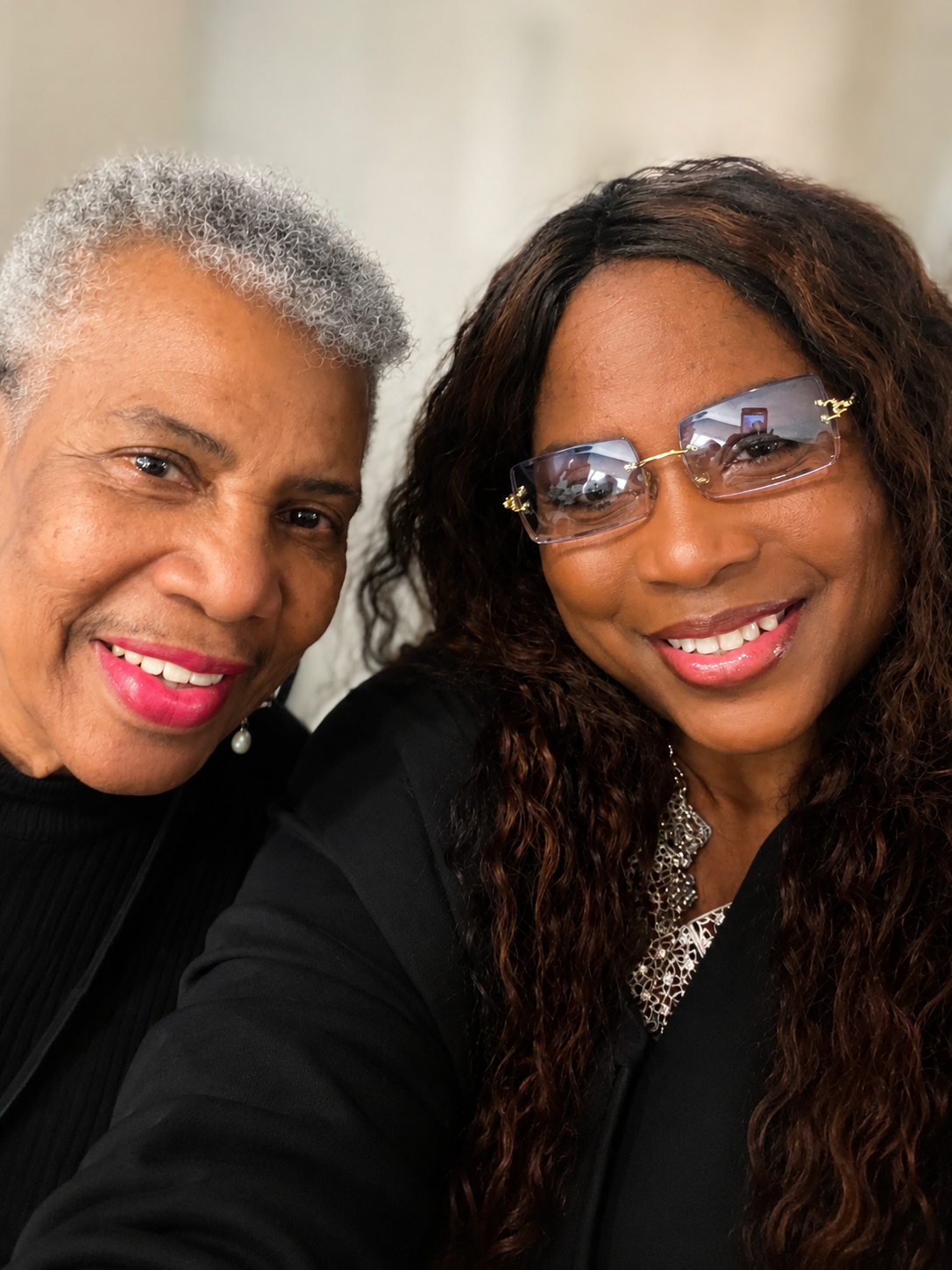
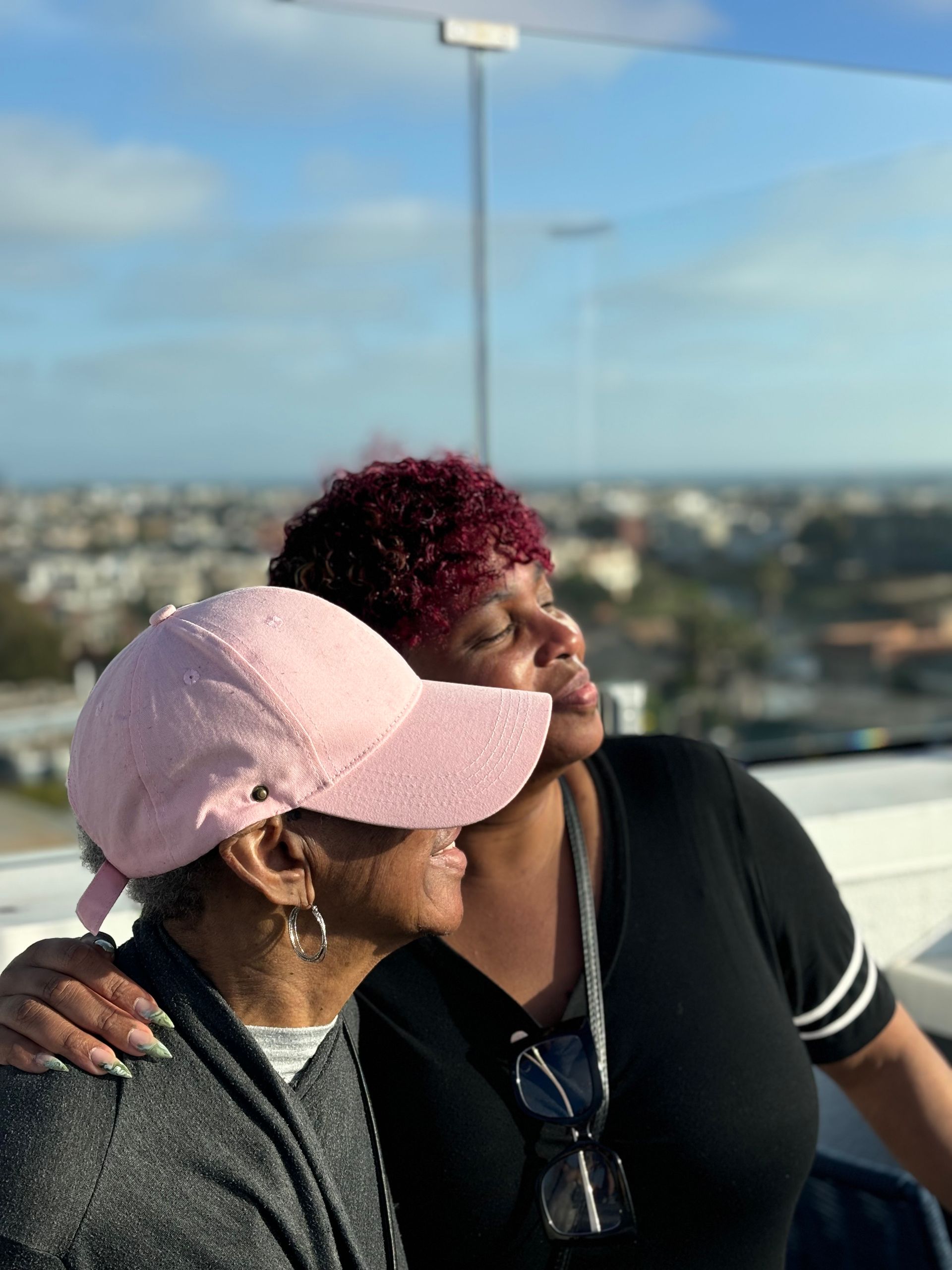
In 2014 my life changed. That's the year my mother was diagnosed with vascular dementia after experiencing a series of mini strokes. It was the first time I'd heard the words small vessel ischemia. Hearing those words changed the direction of my life in ways I could never have anticipated.
"Hearing those words changed the direction of my life in ways I could never have anticipated."
By the summer of 2016, I made the decision to move both my mother and my grandmother in with me. By then, both women were living with vascular dementia, but they were in very different stages of the disease. My grandmother, who was in her mid nineties, required significantly more assistance. My mother, then in her late seventies, was still able to do more independently, but her needs were increasing with each passing year. What I did not realize at the time was that I was about to receive a firsthand education in how difficult it can be to navigate our long-term care system.
Although both my mother and grandmother were living with dementia, their financial situations placed them on very different paths. My grandmother qualified for Pennsylvania's Long Term Services and Supports Medicaid Waiver Program. My mother did not qualify because her income exceeded the financial eligibility limits. The difference was not their diagnosis; it was income.
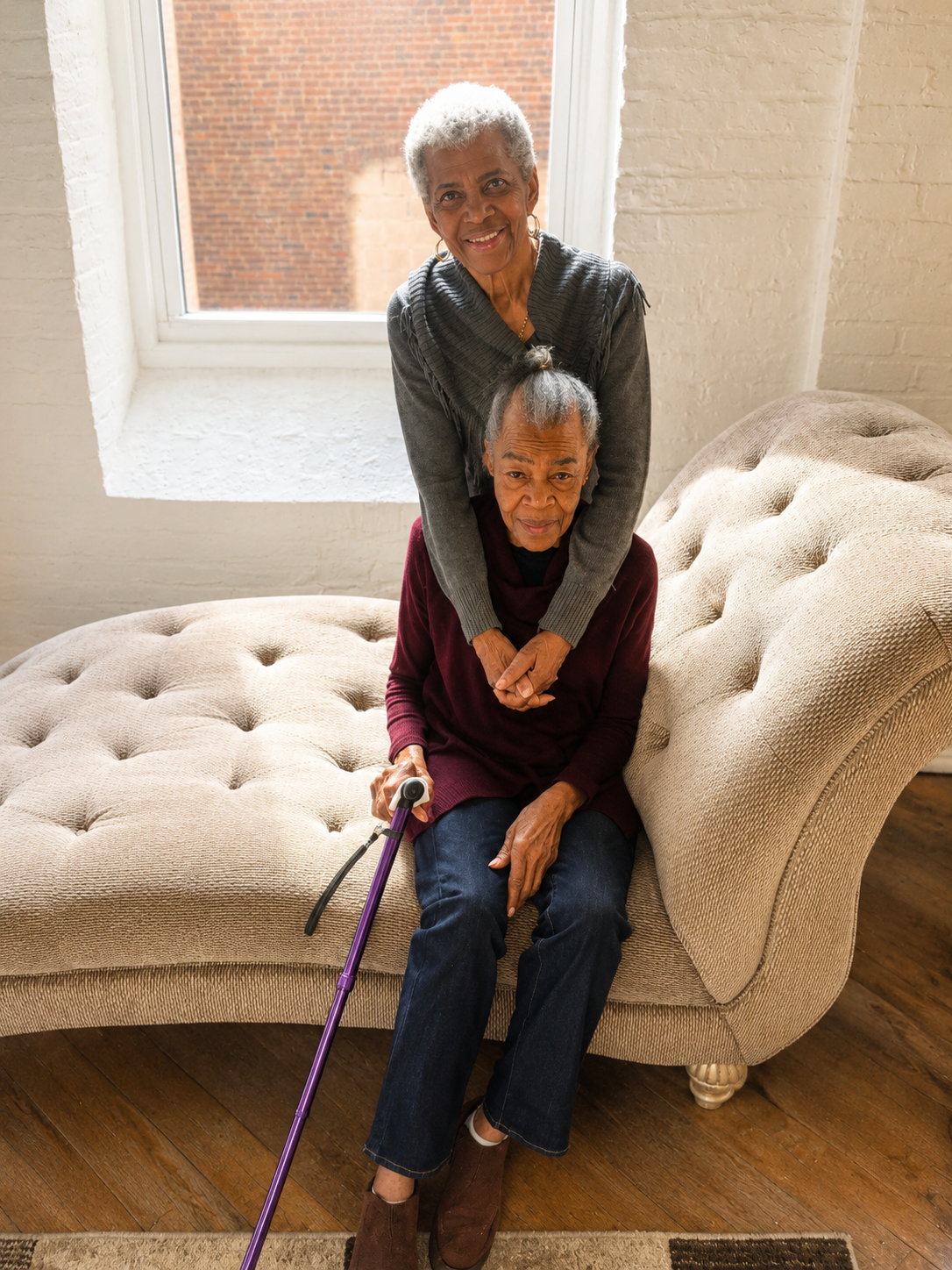

Navigating the system was not easy. Paperwork was misplaced, documents had to be resubmitted, and countless phone calls were made before progress was finally made. Fortunately for me, during that time I was fortunate to have a cousin who owns a home health agency in Florida, I had an ally. Although we live over a thousand miles apart in different states, she became an invaluable source of guidance as I learned to navigate the complex world of long term care and social services. She helped me better understand the questions to ask, how the system worked, and what resources might be available. It took close to a year or longer, but in the fall of 2018, my grandmother was finally approved for waiver services.
Those services helped provide additional support that allowed her to remain at home until her passing in April of 2020. Once she passed, the services were pulled my mother immediately fell into the in between as my mother still needed care, but didn't qualify for state programs. Any ongoing direct care was going to have to be paid out of pocket and would prove to be very expensive on a long term basis. I quickly realized my story wasn't alone.
Today, I remain my mother's primary caregiver. Like so many caregivers across the country, I have learned that caregiving is much more than helping someone with daily tasks. It changes every aspect of your life, your schedule, finances, and your career. Sometimes it even changes your relationships. Over the years, I have watched friendships quietly fade. Not because people stopped caring, but because caregiving changes your availability, your priorities, and often your ability to participate in the life you once knew. Caregiving can be profoundly isolating. Unless someone has walked this journey themselves, it is difficult to fully understand the emotional weight it carries.
63 million Americans across the United States, approximately 63 million Americans, nearly one in four adults, provide ongoing care for a family member or loved one with a chronic illness, disability, or age related condition. Behind every statistic is a son, daughter, spouse, sibling, grandchild, friend, or neighbor doing everything they can for someone they love. Many are balancing careers, raising children, managing households, and providing increasingly complex care with little formal training or support. I also realized that most conversations about caregiving focus on two groups. Those who qualify for state run programs and those who can comfortably afford private care. Very few talk about the millions of families who live somewhere in the middle. I call this space the "in between".

Our mission is not to replace home healthcare agencies or government programs. Those services are invaluable and remain an essential part of the caregiving continuum as my grandmother benefited from those services for 2 years until her passing. Our mission is to stand beside the families who often fall in the in between. Our goal is to help caregivers by rebuilding something many communities have lost: neighbors helping neighbors, volunteers serving with purpose, professionals sharing their expertise, and communities working together so that no caregiver has to carry the weight of caregiving alone. This organization was built from lived experience, but it was never meant to be about my story alone. It was created because millions of caregivers deserve to know they are seen, they are valued, and they do not have to walk this journey by themselves.
The in between is where families earn too much to qualify for many assistance programs but not enough to comfortably afford ongoing private care.
It is where countless caregivers quietly make extraordinary sacrifices because love leaves them feeling there is no other choice. The Anchored in Care Exchange was created for those families.
Welcome to The Anchored in Care Exchange.